
60+ Eagle Scout Project Ideas (and How to Plan One Without Losing Your Mind)
Every scout who wants to earn Eagle hits the same wall: the service project. It’s the biggest requirement on the trail to Eagle, and it’s the one that stops more scouts than anything else. Not because it’s too hard, but because most scouts don’t know where to start.
I’ve watched a lot of scouts go through this over the years. The ones who finish strong all have one thing in common: they picked a project that fit them, and they planned it like a leader instead of winging it like a teenager. This post will help you do both.
Here are 60+ Eagle Scout project ideas that actually work, plus a planning guide to get yours from idea to final signature.
What Counts as an Eagle Scout Project
Before you fall in love with an idea, make sure it qualifies. The rules are simple:
It has to benefit the community. A church, a school, a park, a nonprofit, your town. It cannot benefit a business, an individual, or Scouting itself. Building something for your troop doesn’t count.
You have to lead it. This is the part people miss. The Eagle project is a leadership project, not a construction project. You’re expected to plan it, organize volunteers, and direct the work. If you can do the whole thing by yourself in a weekend, it’s probably too small.
It can’t be routine labor. Mowing the church lawn for a summer is nice, but it’s not an Eagle project. There has to be real planning, development, and leadership involved.
No fundraising as the project. You can raise money to pay for materials, but “raising money for charity” by itself isn’t a project. The project has to be the thing you build, create, or organize.
When in doubt, run the idea past your Scoutmaster early. They’ve seen what gets approved and what gets sent back.
How to Pick the Right Project
Pick something you actually care about. You’re going to live with this project for months. If you love the outdoors, do a trail project. If you love animals, help a shelter. The scouts who pick projects to impress someone usually stall out. The ones who pick something they care about finish.
Find a beneficiary with a real need. Call churches, schools, parks departments, and nonprofits and ask what they need. Don’t show up with a solution looking for a problem. The best projects start with someone saying “we’ve been wanting to do that for years.”
Match the scope to your timeline. A good Eagle project takes most scouts 3 to 6 months from proposal to final report. If your idea needs a year and a construction crew, scale it down. If it can be done in one Saturday with three friends, scale it up.
Think about your skills and your people. Got a dad who’s a carpenter? A building project makes sense. Got a troop full of younger scouts who need service hours? Even better, you’ve got your workforce. Play to your strengths.
Eagle Scout Project Ideas
Parks, Trails, and the Outdoors
Trailhead kiosk. Build a wooden kiosk with a trail map, park rules, and a bulletin board for a local park or nature preserve. Parks departments love these and never have the budget for them.
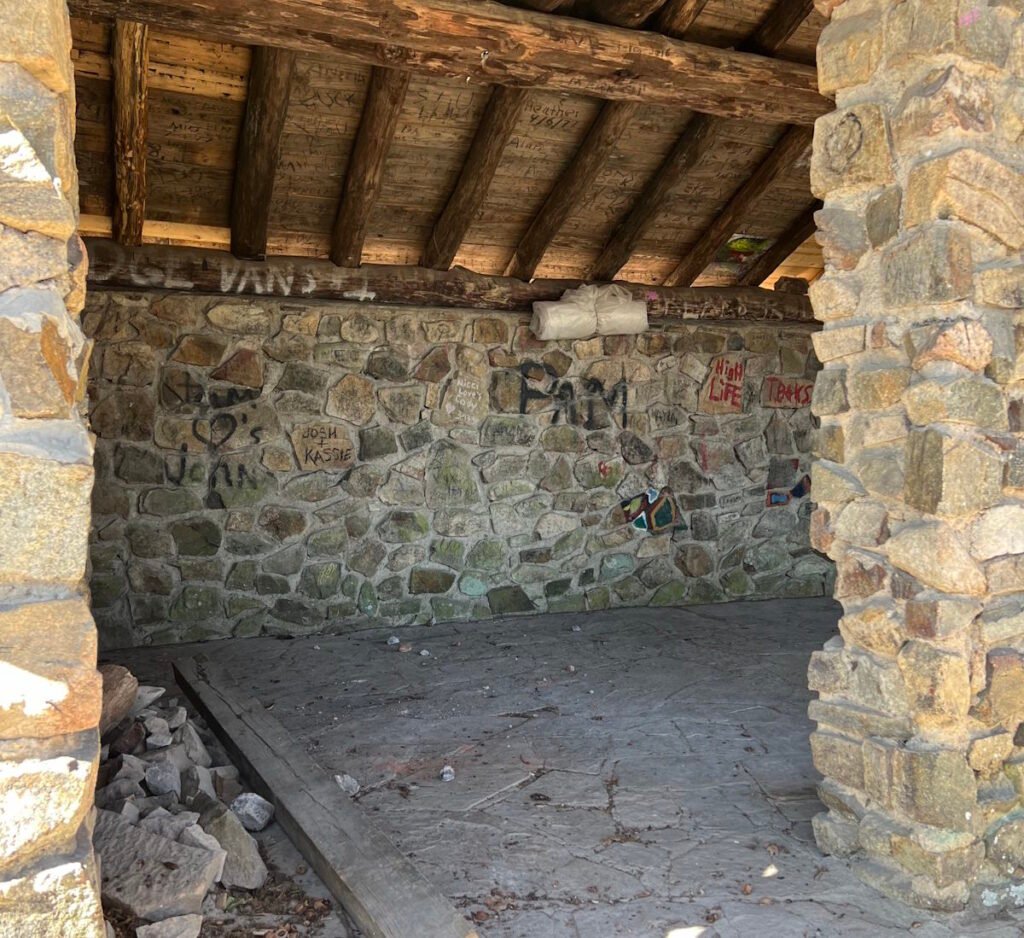
Trail Shelter Maintenance. Trail shelters can deteroite and can be hard for normal groups to get to and fix up. Boards rot and stone crumbles and I have seen lots of shelters that are not safe or usable but could be with a small project to fix them up.
Park benches. Build and install sturdy benches along a trail, at a playground, or near a scenic overlook. Simple, visible, and used every single day.
Pollinator garden. Build a native plant garden at a public park to support bees and butterflies. Add a small sign explaining what it is. Great if you want something that keeps growing after you’re done.
Trail restoration. Clear brush, spread gravel, and refresh trail blazes on a neglected trail. Talk to the park manager first, so you’re working on the right section.
Fishing line recycling stations. Build and install PVC collection tubes at lake docks and fishing spots. Discarded fishing line kills wildlife, and this is a cheap, high-impact fix.
Bird and bat boxes. Build and install a trail of bluebird boxes or bat houses in a park. Map their locations so the park can maintain them.
Community garden. Build raised beds, a tool shed, and a water setup for a community garden. Partner with a food bank so the harvest goes somewhere.
Outdoor classroom seating. Build log or timber bench seating in a circle for a nature center or school that does outdoor classes.
Disc golf tee signs. If your town has a disc golf course with no signage, design and install numbered tee signs with hole maps. Players will thank you forever.
Schools
Buddy benches. Build and install buddy benches on an elementary playground. Any kid who needs a friend sits on the bench, and other kids know to invite them to play.
Gaga ball pit. Build an octagonal gaga ball pit for a school or church playground. Kids go absolutely feral for gaga ball, and schools rarely have the budget to build one.
School garden beds. Build raised garden beds for a school garden program so teachers can do hands-on science lessons outside.
Little free library. Build and install a little free library at a school, especially one in a neighborhood without easy library access. Keep it stocked for the first few months.
Playground game markings. Paint a map of the United States, four-square courts, or hopscotch on a school blacktop. Get the right paint so it lasts.
Sports equipment shed. Build a storage shed for a school’s PE or recess equipment. Most of it lives in a damp closet right now.
School supply pantry. Build shelving and organize a supply pantry where teachers can grab what their classrooms need. Stock it with an initial drive.
Churches and Faith Organizations
Prayer garden. Build a small garden with benches, a path, and plantings at a church. Quiet, simple, and used for years.
Blessing boxes. Build and install blessing boxes (tiny food pantries) around town where anyone can take or leave food and essentials.
Church playground refresh. Repair, repaint, or add equipment to a church playground that’s seen better days.
Wheelchair ramp. Build an ADA-style ramp for a church entrance or a member’s home. This one takes real planning, which is exactly the point.
Grounds cleanup and landscaping. Clear overgrown areas, spread mulch, and plant low-maintenance landscaping at a church. Boring? Maybe. Needed? Almost always.
Food pantry shelving. Build proper shelving and an organization system for a church food pantry. Most run out of folding tables and chaos.
Veterans, First Responders, and Flags
Veterans memorial. Build a small memorial, flag display, or reflection area at a park, cemetery, or VFW post. Work with a veterans group on the design so it’s done right.
Flag retirement drop boxes. Build wooden drop boxes and place them around town where people can leave worn American flags for proper retirement. Partner with the American Legion or VFW for the retirement ceremony.
Rural address signs. Build reflective address number signs for rural homes so first responders can find them faster at night. This one genuinely saves lives.
Fire station garden. Build a small appreciation garden or seating area at a local fire station. Those crews work long shifts, and a nice outdoor spot matters.
Cemetery veterans section cleanup. Clear brush, reset stones, and landscape the veterans section of a local cemetery. Coordinate with the cemetery sexton first.
First responder care kits. Organize an ongoing program building care kits for local fire and police stations, with built storage shelving so the program continues after you.
Animals and Wildlife
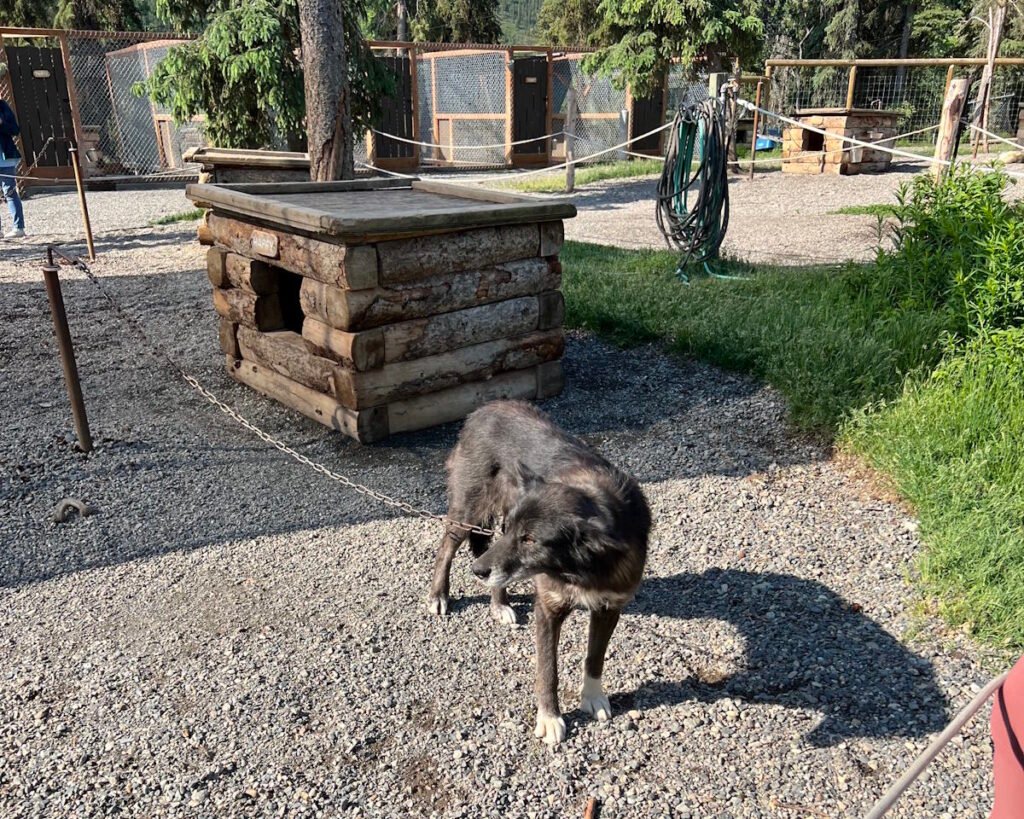
Shelter kennel improvements. Build raised kennel platforms, cat condos, or outdoor shade structures for an animal shelter. Call the shelter and ask what they actually need.
Dog agility course. Build a simple agility course in a shelter’s dog yard. It helps dogs burn energy and get adopted faster.
Feral cat shelters. Build insulated winter shelters for a trap-neuter-return program. Cheap to build, and colonies need dozens of them.
Pet food pantry. Build shelving and organize a pet food pantry at a food bank so families don’t have to give up pets when money gets tight. Run an initial food drive to stock it.
Wildlife brush piles and habitats. Work with a nature center to build brush piles, owl boxes, or other wildlife habitat structures on their property.
Butterfly waystation. Build a certified monarch waystation garden at a school or park with native milkweed and nectar plants.
Hunger, Homelessness, and Community Care
Community food pantry build. Build a freestanding food pantry structure for a neighborhood that doesn’t have one. Stock it and set up a schedule of volunteers to keep it filled.
Garden beds for a food bank. Build raised beds whose entire harvest goes to a local food bank. Recruit volunteers for planting and harvest days.
Community-wide food drive. Plan and run a town-wide food drive with collection bins you build and place at businesses. The leadership is in the organizing, not just the collecting.
Picnic tables for a community center. Build heavy-duty picnic tables for a community center, park pavilion, or homeless shelter courtyard.
Coat and clothing sorting area. Build racks, shelving, and a sorting system for a charity clothing closet. Most run out of a back room with bags piled on the floor.
Diaper bank setup. Build shelving and an inventory system for a diaper bank. Diapers are one of the most requested and least donated items at charities.
Birthday party kits for shelters. Organize a program that builds birthday party kits (cake mix, decorations, gifts) for kids in homeless shelters, with built-in storage at the shelter.
Seniors, Accessibility, and Inclusion
Wheelchair ramps for homes. Build ramps for elderly or disabled residents who can’t get in and out of their own homes safely. Partner with a nonprofit that identifies the families.
Raised garden beds at a nursing home. Build wheelchair-height garden beds so residents can garden again. Add a seating area while you’re at it.
Handrails for senior centers. Install sturdy handrails along steps and walkways at a senior center or church. Simple build, huge safety improvement.
Walking path with benches. Build a short accessible walking path with rest benches at a senior living facility.
Bird feeding stations. Build and install bird feeders and houses outside nursing home windows so residents have something to watch. Maintain them for a season.
Senior tech tutoring program. Plan and run a technology tutoring program at a senior center with printed guides you create. Recruit and train your volunteer tutors, which is where the leadership comes in.
History, Cemeteries, and Preservation
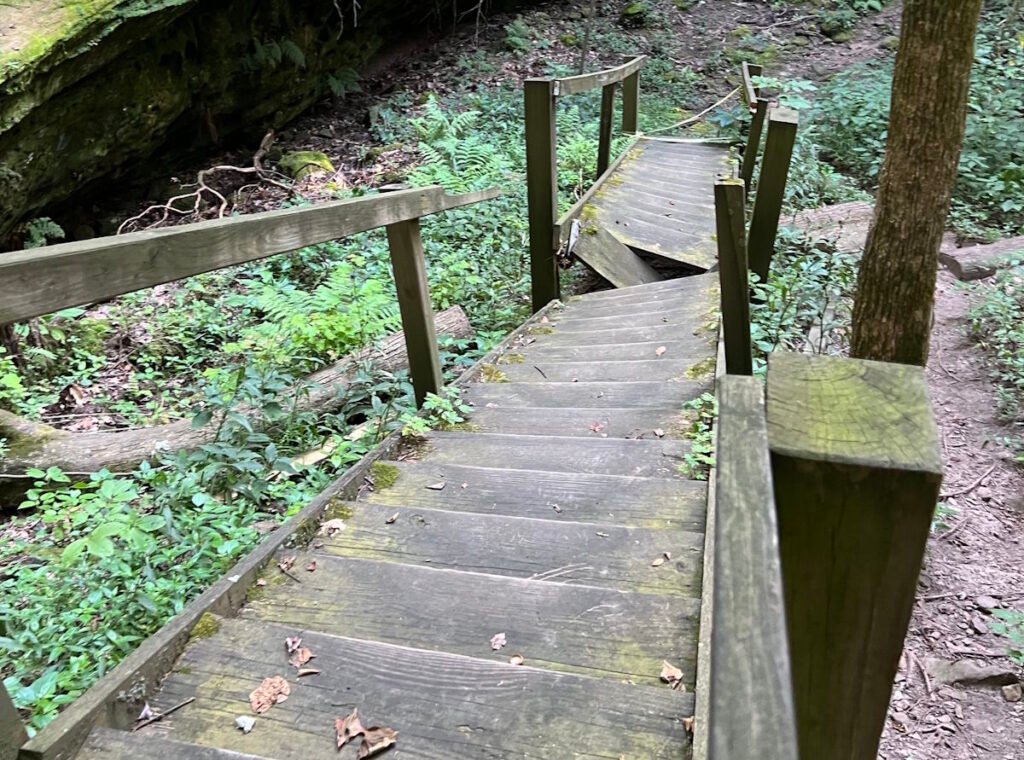
Historic cemetery restoration. Clean stones, clear brush, and reset markers at a neglected historic cemetery. This takes research and care, so work with the local historical society. This one is personal for me. My own Eagle project was doing restoration work at my Catholic church’s cemetery, where I had family buried. We restored a statue and cleaned up several areas of the grounds. There’s something different about working on a place where your own people are buried. It stops feeling like a project and starts feeling personal.
History kiosk. Build an informational kiosk with the history of a local historic site, covered bridge, or downtown district.
Interpretive trail signs. Research, design, and install interpretive signs along a historic trail or downtown walking route.
Museum photo digitization. Organize a project to scan, catalog, and organize historical photos and records for a local museum or library. Recruit volunteers and set up the system.
Veterans grave flag program. Set up a permanent program placing flags on veterans’ graves for Memorial Day, with a mapped system so it can be repeated every year.
Historic structure cleanup. Help restore a one-room schoolhouse, historic cabin, or depot. There’s almost always one in every county falling apart.
Libraries, STEM, and Learning
Storybook trail. Build a storywalk trail at a park where each station displays one page of a children’s book. Partner with the library to rotate the books.
STEM kits for checkout. Build and assemble take-home STEM kits for a library’s checkout program. Design the guides so kids can do them without a teacher.
Bookshelves for a shelter. Build bookshelves and organize a small library at a homeless shelter or women’s shelter.
Sensory garden. Build a sensory garden with textured plants, wind chimes, and touchable features for a special-needs school or therapy center.
Outdoor musical instruments. Build weatherproof outdoor instruments like xylophones and drums for a playground or school.
Tutoring program. Plan and launch a volunteer tutoring program at a school or library. Recruit the tutors, create the schedule, and build the materials.
School maker space. Build workbenches, tool storage, and organization for a school maker space or art room.
The Planning Guide: From Idea to Final Signature
Ideas are the easy part. Here’s how to actually get it done.
Start With the Workbook
Download the Eagle Scout Service Project Workbook. This is your bible for the next few months. Everything goes in it: the proposal, the plan, the fundraising application, and the final report. If it’s not in the workbook, it didn’t happen.
Write a Proposal That Gets Approved
The proposal is short, but it has to answer the big questions: what are you doing, who benefits, where, when, and how will you lead others to do it. Keep it clear and specific. “Building benches for the park” is vague. “Building and installing six cedar benches along the north loop of Riverside Park for the city parks department, leading a crew of 10 volunteers over two build days” gets approved.
Get Approvals Before You Touch Anything
Your proposal needs signatures from the beneficiary, your Scoutmaster, your unit committee, and your district or council advancement committee. This takes longer than you think. Start it early, follow up politely, and do not buy a single 2×4 until every signature is in hand. Learn from my mistakes: starting work before approvals is the fastest way to have your project rejected.
Budget Like a Grown-Up
Price every material, every tool rental, every box of screws. Then add 15 percent, because something always costs more or breaks. If you need to raise money, the workbook has a fundraising application that also needs approval. We’ve covered a ton of ways to raise money for Scout projects in our 30+ Scout Fundraising Ideas post. Pick one or two fundraisers, not ten.
Recruit Your Crew
You are the leader, which means your job is to make sure other people can do the work, not to do it all yourself. Recruit friends, troop members, family, and community volunteers. Aim for more people than you think you need, because half of them will cancel. Give everyone a job before build day so nobody stands around.
Run a Safe, Organized Build Day
Feed your volunteers. I’m serious. Pizza and cold drinks will bring people back for day two. Have a safety briefing before anyone picks up a tool, keep a first aid kit on site (here’s our Cub Scout first aid kit guide if you need ideas on what to pack), and have a rain plan. Assign one adult to safety and one to keeping the schedule moving so you can focus on leading.
Finish the Paperwork
The final report is where scouts drop the ball at the finish line. Log every volunteer’s hours, take photos before, during, and after, keep every receipt, and write up what you learned. Send thank-you notes to everyone who helped, donated, or approved. Then turn it in and don’t touch it. Following up every week doesn’t speed anything up.
Mistakes That Sink Eagle Projects
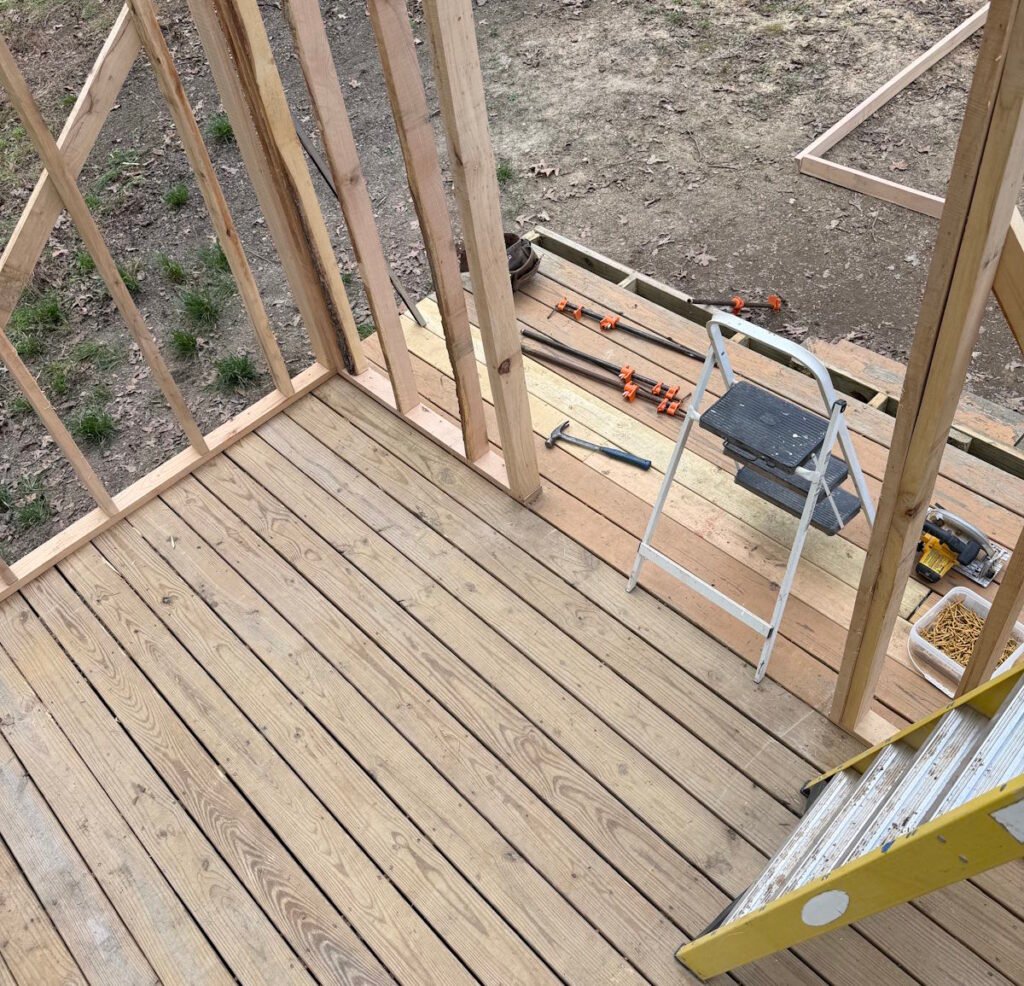
Picking something too big. If your project needs professional contractors and a permit from the city engineer, it’s too big. Scale it to what a 16-year-old can actually lead.
Doing all the work yourself. If you built the whole thing alone in your garage, you didn’t demonstrate leadership. The project is about leading others, not proving you can use a circular saw.
Skipping the beneficiary conversation. Don’t design a project and then go find someone to accept it. Find the need first, then design the project around it.
No rain plan. Outdoor build day plus no backup plan equals a disaster. Always have a plan B date.
Forgetting it’s a marathon. Most Eagle projects take 3 to 6 months. Scouts who try to cram it into three weeks burn out. Start early, work steadily, and you’ll finish with your sanity intact.
Waiting too long to start. This one hurts the most to watch. We had a scout who waited until he was 17 to get serious about his project. He dragged his feet, and while he was sitting on an approved proposal, another group came in and completed the project. Just like that, months of planning were gone and he was starting over from scratch with his 18th birthday coming at him fast. He made it, but barely, and it was way more stressful than it ever needed to be. Don’t let the calendar be your enemy. Start at 15 or 16 and give yourself room for life to happen.
The Eagle project is the hardest requirement for a reason. It’s the first time most scouts have to plan something big, lead real people, and see it through to the end. That’s also why it’s the part of Scouting you’ll remember the longest.
If your scout is working on an Eagle project right now, what’s the idea? Or if you’re an Eagle Scout, what was your project? Let us know in the comments or on our Facebook page.

